ในภาคอุตสาหกรรมและการก่อสร้างสมัยใหม่ ประสิทธิภาพของวัสดุมักเป็นตัวกำหนดความสำเร็จของโครงการ โดยเฉพาะอย่างยิ่งในสถานการณ์ที่ต้องการความทนทาน การกันน้ำ และความเสถียรเป็นพิเศษ วัสดุฟิล์มประสิทธิภาพสูงมีบทบาทสำคัญ บทความนี้มุ่งเน้นไปที่ฟิล์มโพลีเอทิลีนความหนาแน่นสูง (HDPE) แบบครอส-แลมิเนตสีดำหนา 260 ไมครอน โดยจะพิจารณากระบวนการผลิตที่เป็นเอกลักษณ์ ข้อได้เปรียบด้านประสิทธิภาพหลัก และการใช้งานที่หลากหลาย
1. เทคโนโลยีครอส-แลมิเนต: รากฐานของประสิทธิภาพที่เหนือกว่า
ฟิล์มชั้นเดียวแบบดั้งเดิมหรือฟิล์มแบบหลายชั้นที่ผ่านกระบวนการโค-เอ็กซ์ทรูด (co-extruded) มักไม่สามารถตอบสนองความต้องการด้านความแข็งแรงสูงและความเสถียรสูงภายใต้สภาวะที่รุนแรงได้ ฟิล์ม HDPE แบบครอส-แลมิเนตสีดำหนา 260 ไมครอน แก้ไขข้อจำกัดเหล่านี้ด้วยกระบวนการผลิตที่เป็นนวัตกรรมใหม่
วัสดุหลักและการขึ้นรูปพื้นฐาน
ฟิล์มนี้ผลิตจากโพลีเอทิลีนความหนาแน่นสูง (HDPE) ซึ่งเป็นเทอร์โมพลาสติกที่รู้จักกันดีในด้านความแข็งแรงเชิงกล ความทนทานต่อสารเคมี และการซึมผ่านต่ำ ในระหว่างการผลิต HDPE จะถูกผสมกับพลาสติไซเซอร์ สารทำให้คงตัว สารต้านอนุมูลอิสระ สารดูดซับรังสียูวี และสารเพิ่มความเหนียวในอัตราส่วนที่แม่นยำ จากนั้นจึงใช้เทคโนโลยีการขึ้นรูปด้วยการเป่าแบบโค-เอ็กซ์ทรูดหลายชั้นเพื่อสร้างแผ่นฟิล์มที่มีความหนาเฉพาะ
การยืดและการจัดทิศทางอย่างแม่นยำ
แผ่นฟิล์มจะผ่านกระบวนการยืดหลายทิศทาง ทำให้โมเลกุลของโพลีเอทิลีนเรียงตัวในทิศทางที่เฉพาะเจาะจง สิ่งนี้ช่วยเพิ่มความแข็งแรงต่อแรงดึงและความทนทานต่อการฉีกขาดได้อย่างมาก ด้วยการควบคุมความถี่ อุณหภูมิ และความเร็วในการยืด จะได้แผ่นฟิล์มที่มีการจัดเรียงโมเลกุลที่ปรับแต่งได้
วิทยาศาสตร์เบื้องหลังครอส-แลมิเนต
คุณสมบัติที่โดดเด่นคือเทคนิคครอส-แลมิเนต แผ่นฟิล์มที่ผ่านการยืดในทิศทางต่างๆ สองแผ่นขึ้นไปจะถูกวางซ้อนกันและเคลือบกันที่มุมประมาณ 90 องศา การจัดเรียงโมเลกุลในแนวตั้งฉากนี้แตกต่างอย่างสิ้นเชิงกับโครงสร้างแบบขนานทั่วไป ทำให้ผลิตภัณฑ์สุดท้ายมีคุณสมบัติที่ยอดเยี่ยม
การผลิตที่ปรับให้เหมาะสมที่สุด
ผู้ผลิตใช้อุปกรณ์เป่าฟิล์มและเคลือบขั้นสูงเพื่อให้แน่ใจว่าแต่ละขั้นตอนการผลิต ตั้งแต่การอัดรีด HDPE ไปจนถึงการเคลือบแบบครอส-แลมิเนตขั้นสุดท้าย เป็นไปตามมาตรฐานคุณภาพที่เข้มงวด กระบวนการที่พิถีพิถันนี้รับประกันประสิทธิภาพและความน่าเชื่อถือที่สม่ำเสมอ
2. ข้อได้เปรียบด้านประสิทธิภาพ: ทำไมต้องเลือกฟิล์มครอส-แลมิเนต?
เทคนิคครอส-แลมิเนตทำให้ฟิล์ม HDPE สีดำหนา 260 ไมครอน มีคุณสมบัติที่ไม่มีใครเทียบได้สำหรับการใช้งานที่ต้องการความทนทานสูง
-
ความเสถียรของมิติและความร้อน:
โครงสร้างช่วยลดการเปลี่ยนแปลงมิติภายใต้ความผันผวนของอุณหภูมิ รักษาความสมบูรณ์แม้ที่อุณหภูมิ 120°C เป็นเวลา 10 นาที
-
ความทนทานต่อการฉีกขาดและการเจาะ:
การกระจายแรงตึงสม่ำเสมอทั่วทั้งทิศทาง ช่วยกระจายแรงภายนอก ป้องกันการลุกลามของการฉีกขาด และทนทานต่อแรงกระแทกแบบทื่อ
-
ความทนทานต่อสภาพอากาศและสารเคมี:
ทนทานต่อการเปลี่ยนแปลงสภาพอากาศที่รุนแรงและการสัมผัสกับสารกัดกร่อนโดยไม่เสื่อมสภาพ
-
ความยืดหยุ่นที่อุณหภูมิต่ำ:
ยังคงความยืดหยุ่นที่อุณหภูมิ -35°C ขจัดความเปราะบางสำหรับการใช้งานในเขตหนาว
-
ความทนทานต่อการลุกลามของการฉีกขาด:
การออกแบบโครงสร้างช่วยหยุดการขยายตัวของการฉีกขาดจากการเจาะเล็กน้อย เพิ่มอายุการใช้งาน
-
การปรับแต่ง:
มีให้เลือกหลายสี (ดำ เทา น้ำเงิน เขียว) พร้อมตัวเลือกการพิมพ์พื้นผิวสำหรับความต้องการด้านฟังก์ชันหรือความสวยงาม
3. ขอบเขตการใช้งาน: นอกเหนือจากการกันน้ำ
คุณสมบัติที่แข็งแกร่งของฟิล์มช่วยให้สามารถใช้งานได้หลากหลายในอุตสาหกรรมต่างๆ:
การกันน้ำในการก่อสร้าง
เหมาะสำหรับหลังคา ชั้นใต้ดิน อุโมงค์ และสะพาน ป้องกันการซึมผ่านของความชื้น พร้อมทั้งให้ความทนทานต่อปัจจัยกดดันจากสิ่งแวดล้อม
บรรจุภัณฑ์ประสิทธิภาพสูง
ปกป้องสินค้าหนักและอุปกรณ์กลางแจ้งระหว่างการขนส่งและการจัดเก็บ โดยเฉพาะอย่างยิ่งในกรณีที่ความทนทานต่อการฉีกขาดมีความสำคัญ
วัสดุพิมพ์
ทำหน้าที่เป็นสื่อที่ทนทานสำหรับป้ายกลางแจ้ง แผนที่ และโฆษณา เนื่องจากมีพื้นผิวเรียบและเข้ากันได้กับการพิมพ์
วัสดุผสมแบบกำหนดเอง
เมื่อรวมกับวัสดุป้องกันหรือเสริมแรง จะสามารถตอบสนองความต้องการเฉพาะในการใช้งานบรรจุภัณฑ์หรือโครงสร้างได้
4. ข้อมูลจำเพาะทางเทคนิคและการประกันคุณภาพ
การทดสอบที่ครอบคลุมช่วยยืนยันตัวชี้วัดประสิทธิภาพของฟิล์ม:
|
พารามิเตอร์
|
SDM-30
|
SDM-60
|
|
ความแข็งแรงต่อแรงดึง (MPa)
|
≥30
|
≥50
|
|
แรงสูงสุด (N/50 มม.)
|
≥200
|
≥300
|
|
การยืดตัวเมื่อขาด (%)
|
≥250
|
≥250
|
|
ความแข็งแรงต่อการฉีกขาด (N)
|
≥60
|
≥60
|
|
ความยืดหยุ่นที่อุณหภูมิต่ำ (-35°C)
|
ไม่พบรอยแตกหรือการลอกชั้น
|
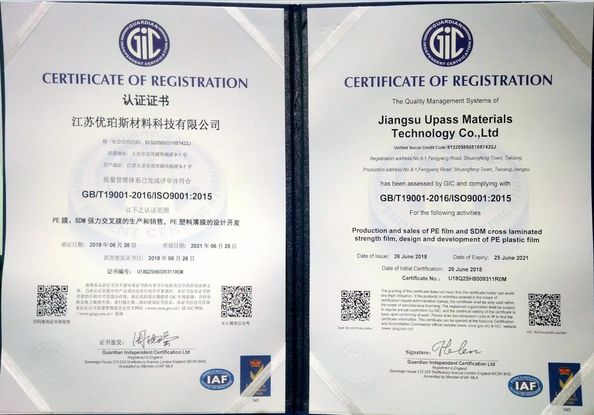
ผลิตภัณฑ์เป็นไปตามการรับรองระดับสากล (CE, ROHS) เพื่อให้มั่นใจในคุณภาพและความปลอดภัย
5. โซลูชันวัสดุที่ขับเคลื่อนด้วยนวัตกรรม
นับตั้งแต่ก่อตั้งในปี 2008 ผู้ผลิตได้เชี่ยวชาญด้านฟิล์มโพลีเมอร์แบบฟังก์ชัน และดำรงตำแหน่งผู้นำในสมาคมอุตสาหกรรม ด้วยการพัฒนาที่ยั่งยืนเป็นหลักการสำคัญ การวิจัยและพัฒนาอย่างต่อเนื่องได้ก่อให้เกิดสิทธิบัตรกว่า 100 ฉบับ การใช้งานครอบคลุมถึงการก่อสร้าง ยานยนต์ อิเล็กทรอนิกส์ และสาขาใหม่ๆ เช่น ฟิล์มทำความร้อนกราฟีน และวัสดุที่ย่อยสลายได้ทางชีวภาพ
ด้วยความก้าวหน้าทางเทคโนโลยี ฟิล์ม HDPE แบบครอส-แลมิเนตสีดำหนา 260 ไมครอน ได้สร้างตัวเองให้เป็นวัสดุประสิทธิภาพสูงที่สำคัญ พร้อมที่จะรับมือกับความท้าทายในอนาคตในหลากหลายอุตสาหกรรม


 ข้อความของคุณจะต้องอยู่ระหว่าง 20-3,000 ตัวอักษร!
 Thai
Thai